
How to Perfectly Calculate Food Quantities for Catering Events
Learn how to accurately calculate food quantities for catering events with our complete guide. Ensure your next catering event is perfectly planned with tips on portion sizes, guest count, and more.
Introduction
Catering for events can be a challenging task, especially when it comes to calculating the correct amount of food. Whether you are hosting a wedding, corporate event, or family gathering, understanding how to calculate food quantities for catering events is crucial to ensure that you provide enough food for your guests without excessive waste. At Pakwan Center.com, we specialize in delivering exceptional catering services, and part of our expertise lies in knowing how to calculate food quantities for catering efficiently.

In this guide, we will walk you through the essential steps to accurately estimate the right amount of food for any occasion. By mastering these strategies, you’ll not only impress your guests but also avoid common pitfalls like running out of food or dealing with unnecessary leftovers.
1. Understanding the Basics of Food Calculation for Catering Events
The first step in how to calculate food quantities for catering events is understanding the type of event you are hosting. Different events call for different types of meals. For example:
- Weddings: Typically more formal and often require a full-course meal.
- Corporate Events: These may involve light snacks or buffet-style dining.
- Family Gatherings: Casual affairs that can range from barbeques to potlucks.
Identifying the type of event helps to gauge the portion sizes, food variety, and service style you will need to consider.
Guest Count
A key factor in determining the amount of food for your catering event is the number of guests. Always plan to cater slightly more than the confirmed guest count to accommodate unexpected attendees. As a rule of thumb, cater for 5-10% more guests than expected.
Meal Types: Sit-down vs. Buffet
If you are serving a sit-down meal, portion sizes will be more controlled since plates are individually served. For buffet-style catering, guests are free to serve themselves, so you need to prepare more food as people may take larger portions or return for seconds.
2. The Science Behind Portion Sizes
Accurate portion sizing is the foundation of how to calculate food quantities for catering. This ensures that your guests are satisfied, and you aren’t left with a significant amount of waste. Below are some general portion guidelines based on the type of food:
- Protein (meat, poultry, fish): Estimate about 6-8 ounces per person for a main course.
- Starches (potatoes, rice, pasta): Plan for 4-6 ounces per person.
- Vegetables: Approximately 3-5 ounces per person.
- Salads: Allow for 1-2 cups per guest.
- Desserts: Typically, one serving per person is sufficient, but for variety, you may offer 1.5 servings per guest.
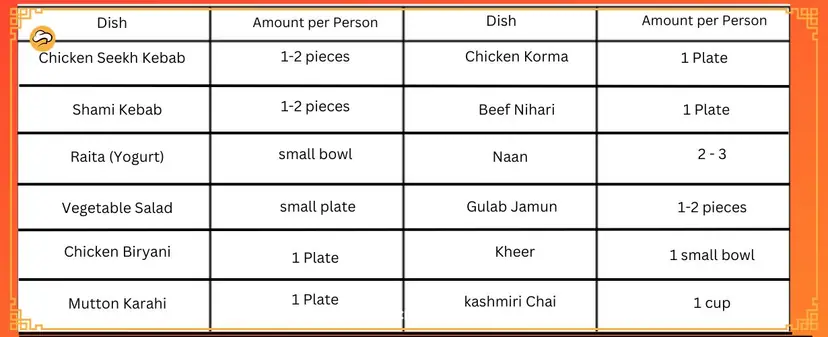
Example of Calculating Protein Portions
For a wedding with 100 guests, serving a chicken entrée:
- Each guest would require around 6 ounces of chicken.
- Multiply 6 ounces by 100 guests = 600 ounces or 37.5 pounds of chicken required.
3. Beverages: Don’t Forget to Calculate the Drinks
Beverages are an integral part of any catering event. For a well-rounded menu, ensure that you offer a variety of drinks including water, soft drinks, tea, coffee, and perhaps alcohol depending on the nature of the event. Here’s a rough estimate:
- Water: 1.5 glasses per person per hour.
- Soft Drinks: 2-3 drinks per person for a 4-hour event.
- Coffee/Tea: 1-2 cups per person for a 4-hour event.
- Alcohol: If alcohol is being served, plan for 1 drink per person per hour.
If your event spans multiple hours, remember to adjust these amounts accordingly.
4. Consider Dietary Preferences and Restrictions
In today’s diverse world, catering events often require an understanding of various dietary preferences and restrictions. Always plan for alternatives for guests who are:
- Vegetarian or Vegan
- Gluten-free
- Dairy-free
- Nut Allergies
Offering a variety of dishes that cater to these needs will ensure that all guests feel included and satisfied. A good practice is to ask guests about their dietary restrictions ahead of time.
How to Calculate Food Quantities for Special Diets
If you expect 10-20% of your guests to have dietary restrictions, adjust your portions accordingly. For instance, if you are serving 100 people, plan to offer at least 10-15 vegetarian or gluten-free options.
5. Appetizers and Hors D’oeuvres
Appetizers are an essential part of many catering events, especially during cocktail hours or while guests wait for the main course. The general rule is to plan for 6-8 pieces per person if appetizers are being served before a meal. If the appetizers are the main event (like at a cocktail party), plan for 12-15 pieces per guest.
How to Calculate Appetizer Quantities
For a cocktail party with 100 guests:
- Assume 12 pieces per person.
- Multiply 12 pieces by 100 guests = 1,200 appetizers total.
6. Desserts: Sweet Endings to Your Catering Event
Desserts are often the highlight of a catering menu, and you want to ensure there’s enough to satisfy your guests. While some guests may skip dessert, others may indulge in more than one serving.
How to Calculate Dessert Quantities for Catering
A simple method is to offer one serving of dessert per person, with a little extra for variety. For example, if you have 100 guests, prepare 120 servings of dessert to provide variety without excess.
7. Buffet vs. Plated Meals: How It Affects Food Quantities
As mentioned earlier, buffet-style catering generally requires more food than plated meals. Guests have the freedom to serve themselves, so you need to account for larger portions and the possibility of guests going back for seconds.
Calculating Food Quantities for a Buffet
For a buffet, increase your food estimates by about 15-20%. For example, if you were planning for 100 plated meals, you would calculate as follows for a buffet:
- Protein: Instead of 6 ounces per guest, plan for 7-8 ounces.
- Starches: Increase from 4 ounces to 5-6 ounces.
- Vegetables: Increase from 3 ounces to 4-5 ounces.
8. Hiring a Professional Catering Service
One of the most effective ways to ensure the success of your event is to hire a professional catering service like Pakwan Center.com. We specialize in providing personalized catering solutions that ensure you have the right amount of food, drinks, and desserts for your guests. Our experienced team takes care of everything from portion sizing to dietary requirements, so you can focus on enjoying your event.
9. Additional Tips for Calculating Food Quantities
- Always overestimate slightly. It’s better to have too much food than to run out.
- Factor in the time of day: People tend to eat more at evening events compared to morning or afternoon ones.
- Consider the type of crowd: Younger crowds may eat more, while older guests tend to eat smaller portions.
- Balance the menu: Offering a good variety of dishes (e.g., proteins, starches, and vegetables) ensures that everyone finds something they like, but too much variety can also lead to increased leftovers.
10. Tools for Accurate Food Calculation
Several online tools and apps can help you calculate food quantities more precisely. Using a food calculator can save you time and reduce guesswork, ensuring that your event is perfectly catered.
Final thoughts
Planning the right amount of food is crucial for a successful event, and now that you know how to calculate food quantities for catering events, you can confidently plan your next gathering. Whether you’re hosting an intimate gathering or a large celebration, understanding the importance of portion sizes, guest count, and food variety will ensure that your guests leave satisfied.
At Pakwan Center.com, we are dedicated to making your catering experience seamless and memorable. With our professional services, you can trust that the food quantities for your catering event will be perfectly calculated and tailored to meet the unique needs of your gathering.
Feel free to contact us at Pakwan Center.com for any inquiries or assistance with your next catering event!
Need Fresh Wood-Dum Daigs for Your Event?
100% Halal morning meat, pure basmati rice, and guaranteed 3-hour doorstep delivery anywhere in Lahore.
Related Food Stories & Guides
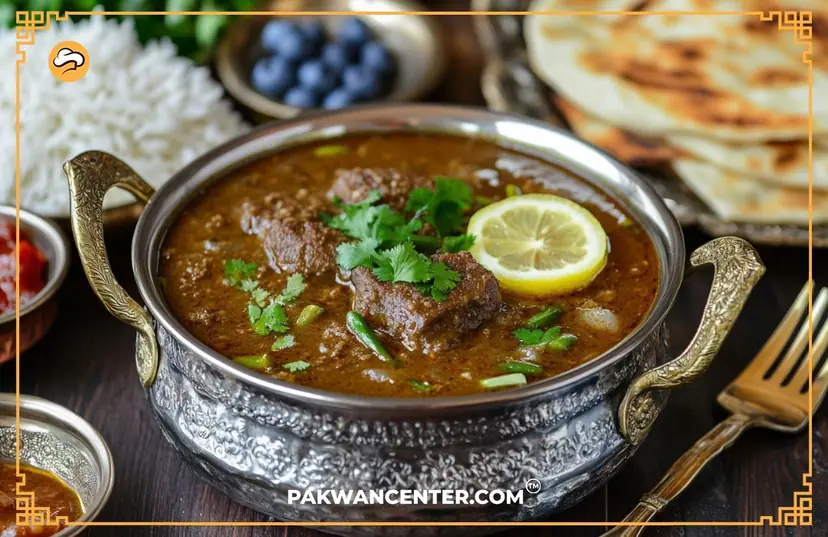
Best Nihari in Lahore
Discover the best Nihari in Lahore with our guide to the top spots serving this rich, flavorful beef stew, a true delight for food lovers in the city. Introduction Food is a passion for many, and one dish that truly embodies this love is Nihari. This slow-cooked beef stew, rich with aromatic spices, isn't just ...

Effortless Events with PakwanCenter.com's Premium Catering Services Near You
Enjoy stress-free events with PakwanCenter.com's exquisite catering services near you. Experience delicious cuisine, professional service, and seamless event planning. Book now for your next occasion! Coordinating an event is always a great idea but at the same time, it may be a hard procedure. One of the most crucial

Delicious and Unbeatable Spicy Biryani for Lunch Breaks
Savor the delicious and unbeatable flavor of Spicy Biryani for Lunch Breaks. At Pakwan Center.com, our authentic biryani is crafted with premium ingredients, perfect for a satisfying and flavorful meal Introduction Spicy Biryani for Lunch Breaks holds the heart of every foodie all around the world when it comes to lunc